How to Choose the Right Paper Packaging for Your Products?
How to Select the Right Paper Packaging: A Detailed Guide from Kunyuanpack. Explore materials, box styles, printing options, and custom packaging solutions.
2026/11/04
Reading volume: 7
News Details
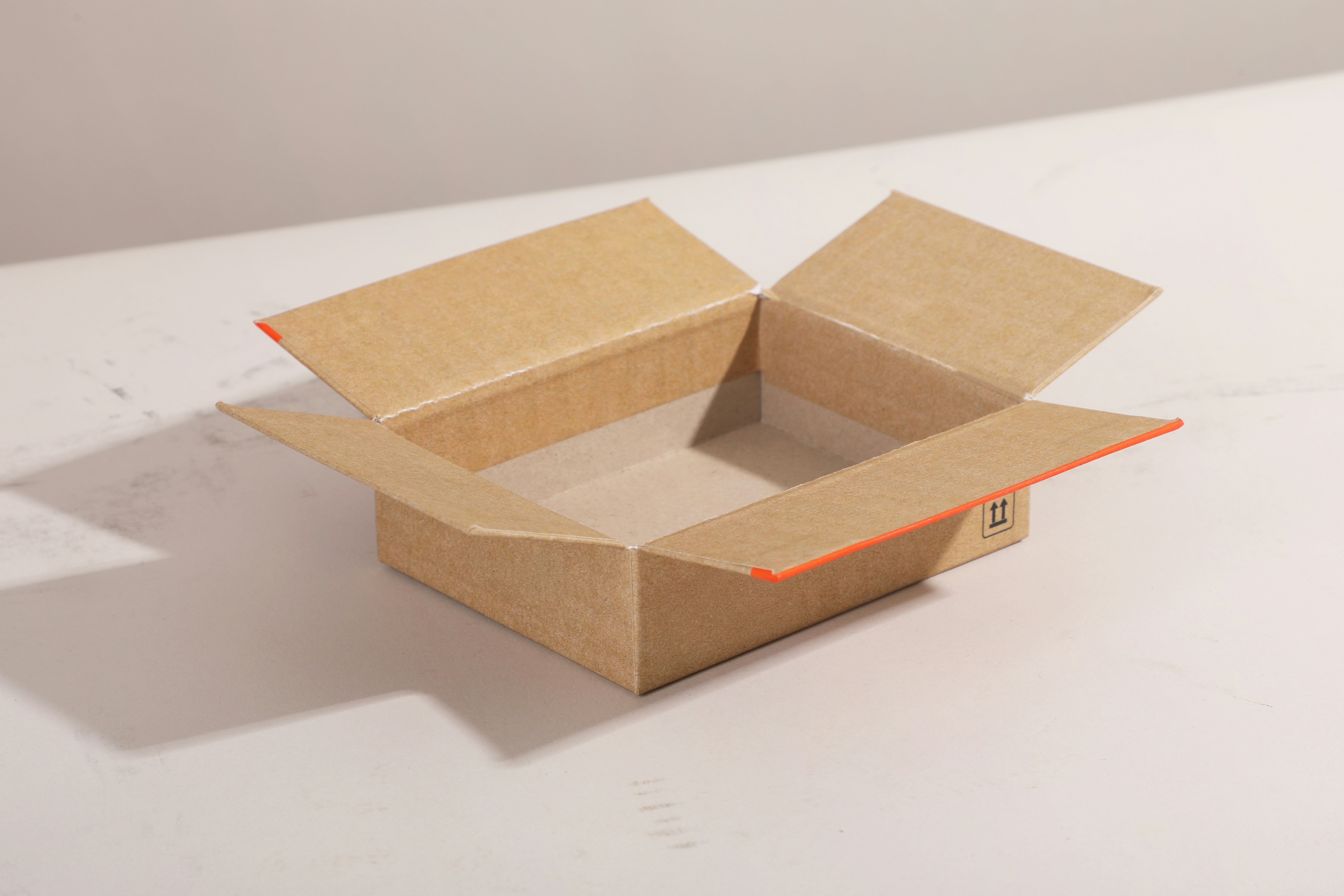
Selecting the right paper packaging is essential for every business. Effective packaging goes beyond merely enclosing a product; it safeguards items during storage and transit, enhances brand perception, and elevates the overall customer experience. However, with the multitude of paper packaging options available, identifying the ideal choice can prove challenging.
Different products necessitate varying packaging solutions. For instance, electronic devices demand robust boxes for protection, whereas cosmetics and gifts often require visually appealing packaging to capture customer attention. Food products, too, may need suitable materials and packaging structures.
So, how can you determine the best paper packaging for your products? In this guide, we will delve into the crucial factors to consider, compare prevalent paper packaging types, and offer practical tips to assist you in making an informed decision.
1. Determine Your Product Requirements Prior to Selecting Paper Packaging
The initial step involves comprehending the specific needs of your product. Diverse products require varying levels of protection, dimensions, and packaging styles.
Before choosing paper packaging, take into account the following aspects:
Product Size and Dimensions
The packaging should align with the size and shape of your product. An excessively large box may cause the product to shift during shipping. Conversely, a box that is too small could damage the product or complicate the packing process.
Therefore, measure the product meticulously before deciding on a box size.
Product Weight
Weight is another critical factor. Lightweight products might only require folding paper boxes. However, heavier products often necessitate corrugated boxes with sturdier structures.
Product Fragility
If your products are prone to breakage, opt for packaging that offers superior protection. Corrugated cardboard can provide additional strength and help minimize damage during transportation.
Storage and Shipping Requirements
If your products are intended for long-distance shipping or cross-border delivery, the packaging must withstand stacking, handling, and transportation pressures.
In essence, understanding your product needs helps you avoid unnecessary packaging expenses while ensuring the safety of your products.
2. Select the Appropriate Paper Packaging Material
Paper packaging materials exhibit varying degrees of strength, thickness, and flexibility. Consequently, the right material is contingent upon your product type and packaging purpose.
Here are some commonly used materials to consider.
Folding Box Board
Folding box board is a favored option for retail packaging. It boasts a smooth surface that is conducive to color printing and various finishing techniques.
It is suitable for cosmetics, food products, small electronics, and everyday consumer goods. Moreover, it enables brands to create clean and attractive packaging designs.
Corrugated Paperboard
Corrugated paperboard features a fluted layer sandwiched between flat paper layers. This structure offers enhanced strength and cushioning.
It is an excellent choice for shipping boxes, electronic products, household goods, and other items that require extra protection.
Different flute types, such as F flute, E flute, B flute, and C flute, provide varying thickness and strength options. Hence, you should select the appropriate structure based on product weight and protection requirements.
Recycled Paper Materials
Recycled paper can help reduce the consumption of new raw materials. It may also align with a brand's environmental objectives.
However, material quality and strength remain important. Before placing a substantial order, verify whether the selected material meets your product protection standards.
3. Choose the Optimal Paper Packaging Box Structure
The box structure influences product protection, packing efficiency, storage capacity, and aesthetics. Therefore, it is crucial to select a design that caters to your business needs.
Here are several common paper packaging structures.
Folding Carton Boxes
Folding carton boxes are widely employed for retail products. They are easy to fold, store, and assemble.
They are suitable for cosmetics, food, gifts, and small consumer products. Additionally, they offer ample space for logos, product details, and brand designs.
Corrugated Color Boxes
Corrugated color boxes combine product protection with visually appealing printing. They are suitable for products that demand both sturdy packaging and a professional appearance.
For instance, they can be used for electronics, household goods, gifts, cosmetics, and food products.
Self-Lock Bottom Boxes
Self-lock bottom boxes have a unique bottom structure that secures into place when the box is opened. They do not require additional glue for bottom assembly.
This design simplifies packing and can reduce labor costs. Moreover, it is well-suited for bulk packaging and automatic packing lines.
Lid and Base Boxes
Lid and base boxes consist of two separate components: a top cover and a bottom base. They offer a neat appearance and an enhanced opening experience.
These boxes are frequently used for gifts, cosmetics, electronics, and high-end retail products.
Window Packaging Boxes
Window packaging boxes feature a transparent section that allows customers to view the product without opening the box.
This design is beneficial for gifts, everyday products, cosmetics, and other retail items. It also helps products stand out on store shelves.
4. Consider Printing and Finishing Options for Paper Packaging
The visual appeal of packaging can influence how customers perceive your brand. Therefore, choosing the right printing and finishing methods is equally important.
Different printing and finishing options create distinct visual effects.
Full-Color Printing
Full-color printing enables brands to showcase product images, logos, and vibrant designs. It is an excellent choice for retail packaging that aims to capture attention.
Pantone Spot Color Printing
Pantone spot color printing helps maintain consistent brand colors. It is particularly useful for businesses that require uniform color representation across various packaging orders.
Hot Stamping
Hot stamping imparts a metallic finish to logos, text, or design elements. Gold and silver finishes are popular choices for gift boxes and premium product packaging.
Embossing and Debossing
Embossing creates raised patterns, while debossing results in recessed designs. Both techniques add texture and lend packaging a more sophisticated look.
UV Coating
UV coating adds a distinctive surface effect to specific areas or the entire package. It can highlight certain design elements.
Matte and Gloss Lamination
Matte lamination imparts a soft and smooth appearance, while gloss lamination gives packaging a shiny finish.
However, not every finishing method is suitable for every product. You should consider your budget, design goals, and packaging materials before making a decision.
5. Balance Paper Packaging Quality and Cost
Packaging costs constitute a significant portion of product expenses. Nevertheless, opting for the cheapest option is not always the wisest choice.
Low-quality packaging may lead to product damage, customer complaints, and higher replacement costs. On the other hand, packaging with excessive unnecessary features may inflate your budget without adding genuine value.
To manage packaging costs, take into account the following factors:
-
Choose appropriate materials: Avoid using heavy materials when lighter ones can provide sufficient protection.
-
Optimize box dimensions: A well-designed box can minimize material waste and shipping space.
-
Select practical finishing methods: Concentrate on the printing and surface effects that enhance your brand.
-
Order in suitable quantities: Compare different order volumes to determine a reasonable unit price.
-
Collaborate with an experienced manufacturer: A professional supplier can assist in improving box structures and production plans.
Additionally, request a sample from your packaging supplier before commencing mass production. This allows you to evaluate the size, material, printing quality, and overall structure in advance.
6. Select a Reputable Custom Paper Packaging Manufacturer
Finding a reliable paper packaging manufacturer is as crucial as choosing the right material and box structure.
A reputable manufacturer should offer more than just basic box production. Instead, it should provide support throughout the packaging process, from design and sampling to printing and final production.
Here are several factors to consider when selecting a supplier.
Production Expertise
Evaluate the manufacturer's experience in producing custom paper packaging. An experienced factory is more likely to understand diverse product requirements and packaging structures.
Production Equipment
Modern equipment can enhance printing quality, production efficiency, and order consistency.
Customization Services
Every brand has unique packaging needs. Therefore, seek a supplier that offers customization options for sizes, materials, structures, printing, and finishing.
Quality Assurance
Inquire about the manufacturer's procedures for inspecting raw materials, printing results, box dimensions, and finished products. A well-defined quality control process helps minimize production issues.
Timely Delivery and Effective Communication
Reliable delivery and clear communication are also vital, especially for international buyers and long-term business partnerships.
7. Why Opt for Kunyuanpack for Custom Paper Packaging?
If you are in search of a custom paper packaging supplier, Kunyuanpack delivers tailored color boxes and corrugated packaging solutions for various industries.
Established in 2017, Suqian Kunyuan Packaging specializes in custom color boxes and corrugated boxes. The company offers OEM and ODM services for electronic products, cosmetics, gifts, food products, and cross-border e-commerce packaging.
Its product range encompasses several practical packaging solutions.
-
Custom Corrugated Color Boxes: Ideal for retail packaging, shipping, electronics, household goods, and food products.
-
Self-Lock Bottom Boxes: Designed for effortless assembly and efficient bulk packaging.
-
Lid and Base Corrugated Boxes: A suitable option for gifts, cosmetics, electronics, and premium products.
-
Window Corrugated Boxes: Enable customers to view the product while keeping it secure within the package.
-
Folding Mailer Boxes: Crafted for e-commerce shipping, product protection, and convenient storage.
Kunyuanpack also provides flexible customization in box size, structure, material, and printing.
Advanced Production and Printing Capabilities
To cater to diverse packaging needs, Kunyuanpack boasts a range of production equipment, including:
-
CTP plate-making systems
-
Large-format printing presses
-
Automatic hot stamping and embossing machines
-
Automatic laminating equipment
-
Die-cutting machines
-
Paper mounting and box gluing production lines
Furthermore, the company manages pre-press, printing, and post-press processes in-house. This helps maintain production control and ensures consistent product quality.
Custom Printing and Finishing Services
Kunyuanpack offers a variety of printing and finishing options, including five-color printing, Pantone spot color printing, hot stamping, embossing, debossing, UV coating, and matte or gloss lamination.
Consequently, businesses can create paper packaging that aligns with their brand image and product positioning.
Whether you require custom packaging for cosmetics, electronics, gifts, food, or e-commerce products, Kunyuanpack can assist in developing a suitable packaging solution.
Visit Kunyuanpack to explore its custom paper packaging products and services.
8. Test Your Paper Packaging Prior to Mass Production
Before placing a large order, it is crucial to test your packaging samples.
Even if the design appears satisfactory on a computer, the finished box may yield different results in practical use.
Here are some important evaluations:
-
Size and Fit: Ensure the product fits snugly inside the box.
-
Material Strength: Verify whether the paperboard can support the product's weight.
-
Printing Quality: Inspect colors, text, logos, and image details.
-
Box Assembly: Check if the box is easy to fold, open, and close.
-
Shipping Protection: Assess how well the packaging withstands typical transportation and storage conditions.
Additionally, share your feedback with the manufacturer before mass production. Minor adjustments at the sample stage can help avert more significant issues later.
Conclusion: Choose Paper Packaging That Suits Your Products and Brand
Selecting the right paper packaging demands careful consideration. You must factor in product size, weight, material strength, box structure, printing methods, and overall cost.
Simultaneously, effective packaging should safeguard your products, reinforce your brand image, and streamline packing and shipping processes.
Most importantly, collaborate with a manufacturer that comprehends your requirements and can provide tailored customization services.
With its custom color boxes, corrugated packaging products, in-house production, and diverse printing and finishing options, Kunyuanpack offers practical paper packaging solutions for businesses across various industries.
If you are planning a new packaging project, contactKunyuanpackto discuss your product requirements and discover the ideal packaging solution.
Share to:


