How Does Paper Packaging Support More Sustainable Product Packaging?
Learn how paper packaging supports more sustainable product packaging through custom sizing, product protection, efficient shipping, and flexible box designs.
2026/09/20
Reading volume: 0
News Details
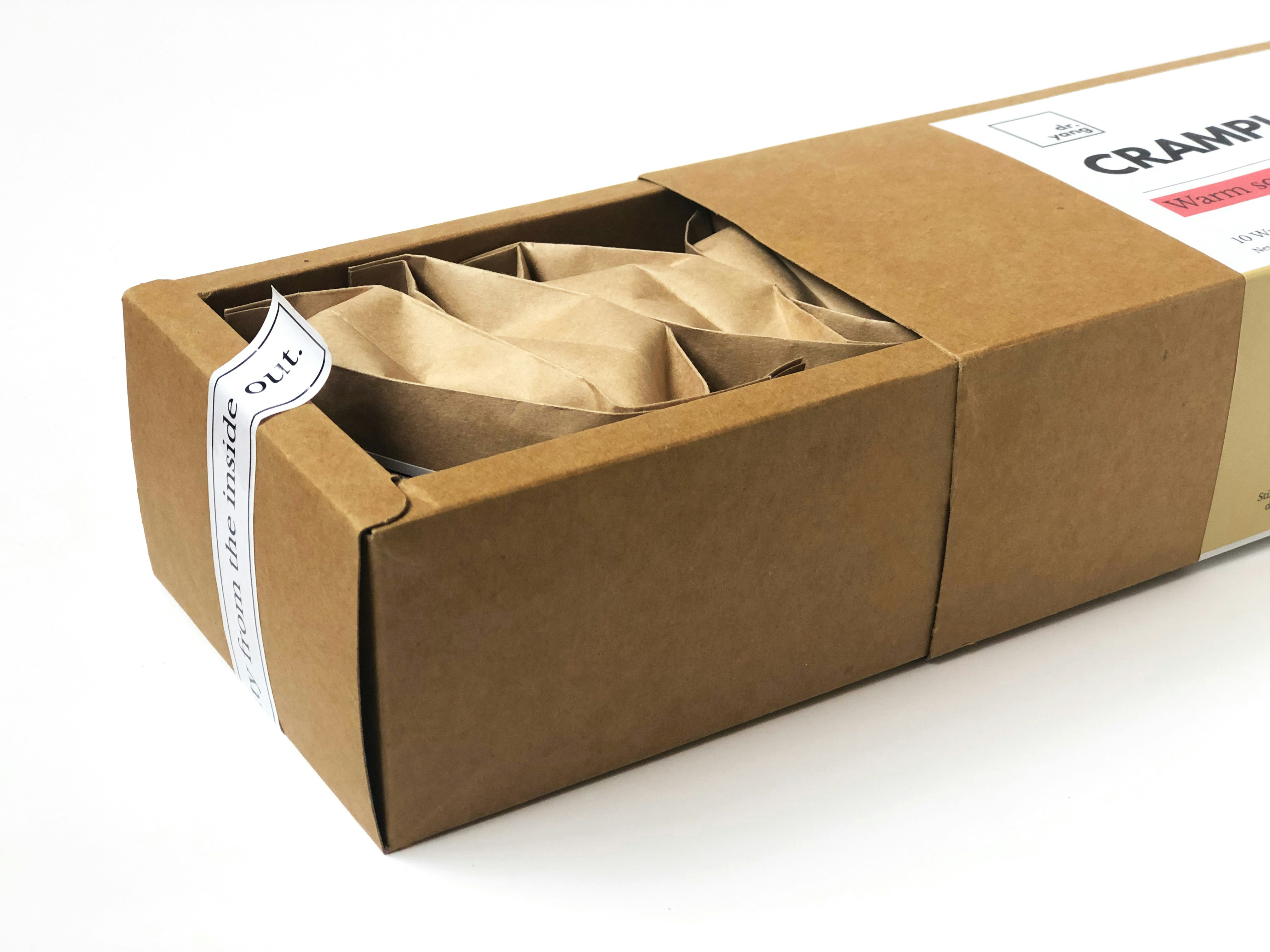
As brands look for better packaging choices, paper packaging has become an important option. It can protect products, support strong branding, and offer flexible designs. At the same time, paper-based packaging can fit well into more sustainable packaging plans.
But sustainable packaging is not only about using paper. It also depends on material choice, box design, production methods, product protection, and shipping efficiency. Therefore, brands need to consider the whole packaging process.
So, how does paper packaging support more sustainable product packaging? Let’s look at the main factors.
Why Paper Packaging Is Used for Sustainable Product Packaging
Paper packaging is widely used for boxes, cartons, mailer boxes, and other product packages. It is made from paper-based materials and can be designed for many product types.
Compared with some packaging materials, paper is easy to print and shape. In addition, paper packaging can be made in different sizes and structures. This allows brands to select a package that fits the product instead of using an oversized box.
For example, a well-designed box can reduce unused space. As a result, it may help improve storage and shipping efficiency.
Paper packaging also gives brands more options for product presentation. Color printing, embossing, hot stamping, UV coating, and lamination can create different visual effects while keeping the main package paper-based.
How Custom Paper Packaging Can Reduce Material Waste
Packaging size has a direct effect on material use. A box that is too large may need more paper and may also require extra filling material.
Custom paper packaging offers a practical solution. The box can be designed around the product’s size, weight, and protection needs. Therefore, brands can avoid using a package that is much larger than the product.
Custom box structures can also improve material use. For example, folding mailer boxes can be shipped flat before assembly. This design can save storage space and make transportation more efficient.
Kunyuan Packaging provides custom corrugated color boxes and folding mailer boxes in different flute options, including F, E, B, and C flute. These structures can be selected according to product protection and packaging needs.
How Corrugated Paper Packaging Protects Products
Sustainable packaging still needs to protect the product. If a package fails during shipping, the damaged product may create more waste and extra costs.
Corrugated paper packaging provides a balance between strength and practical design. Its structure can help protect products from pressure and impact during handling, storage, and transportation.
For example, Kunyuan Packaging offers corrugated color boxes for electronics, food, cosmetics, gifts, household goods, and other products. Its corrugated boxes are designed with different structures and flute options to meet different protection needs.
Therefore, choosing the right paper packaging is not only about reducing packaging material. It is also about reducing the risk of product damage.
How Folding Paper Boxes Support Efficient Shipping
Shipping is another important part of sustainable packaging. Packaging that takes up less space before assembly can help improve warehouse use and transport efficiency.
Folding mailer boxes are one example. They can be delivered and stored in a flat form. Then, they can be folded into shape when needed.
Kunyuan Packaging offers folding mailer boxes with self-locking structures. These boxes can be assembled without glue or tape, depending on the design. Their flat-packed structure can also help save storage space and reduce shipping space.
As a result, packaging design can support sustainability beyond the material itself.
How Paper Packaging Supports Recyclable Packaging Goals
Paper is widely used in recycling systems. However, the actual recycling process depends on local facilities, material combinations, coatings, and other factors.
For this reason, brands should look at the full packaging structure when planning a more sustainable package.
A simple paper-based structure can be easier to manage than a package made from many different materials. At the same time, brands should carefully select printing, coating, windows, and other added features based on the target market and local recycling systems.
In other words, sustainable paper packaging requires more than simply choosing paper. The complete package should be considered.
How Custom Paper Boxes Reduce Unnecessary Packaging
One major benefit of custom packaging is flexibility.
Different products need different levels of protection. A small cosmetic item does not always need the same box structure as a heavy electronic product. Therefore, using one standard box for every product may result in unnecessary material use.
Custom paper boxes allow brands to select:
- Box size
- Paperboard or corrugated structure
- Flute type
- Folding structure
- Printing method
- Surface finishing
- Opening style
- Product protection level
Kunyuan Packaging provides custom OEM and ODM packaging for electronics, cosmetics, gifts, food, and cross-border e-commerce products. This flexible approach allows packaging to be developed around different product and brand needs.
Kunyuan Packaging Solutions for More Sustainable Product Packaging
Suqian Kunyuan Packaging was established in 2017 and specializes in customized color boxes and corrugated packaging boxes. The company provides one-stop printing and packaging solutions for different industries.
Its product range includes several types of corrugated color boxes.
Corrugated Color Box with Self-Lock Bottom
The self-lock bottom box uses a folding structure that locks the bottom after the box is opened. It does not require manual glue application for assembly.
It is available in F, E, and B flute options. The box can also be customized with printing, lamination, hot stamping, embossing, and UV coating.
This structure is suitable for cosmetics, food, electronics, gifts, daily products, and other consumer goods.
Custom Corrugated Color Box
Kunyuan’s standard corrugated color boxes combine product protection with printed brand presentation. They can be used for shipping, storage, retail packaging, and outer packaging.
Brands can also customize printing and finishing based on their design needs.
Corrugated Color Box with Lid and Base
The lid-and-base box uses a separate top and bottom structure. It offers a clean appearance and a simple opening experience.
It can be made with different corrugated flute options and is suitable for gifts, cosmetics, electronics, luxury goods, and retail products.
Corrugated Color Box with Window
A window box allows customers to see part of the product without opening the package. At the same time, the corrugated structure provides protection during handling and transport.
The window size, shape, box structure, printing, and finishing can be customized for different products.
Folding Mailer Box
Folding mailer boxes combine product protection with easy assembly. Their flat-packed design can help save storage space before use.
They are suitable for e-commerce shipping, gifts, electronics, consumer products, and branded packaging.
How Printing and Finishing Add Value to Paper Packaging
Sustainable packaging still needs to meet brand and market needs. Paper boxes provide a large surface for product information and brand graphics.
Kunyuan Packaging offers several printing and finishing methods, including five-color printing, Pantone spot color printing, hot stamping, embossing and debossing, UV coating, and matte or gloss lamination.
These options allow brands to create packaging that matches their visual identity.
However, brands should choose finishing methods based on the actual packaging goal. A simple design may be enough for some products, while premium products may need more detailed finishing.
Why Product Protection Is Part of Sustainable Packaging
It is easy to focus only on the packaging material. However, product protection is also important.
If products are damaged during shipping, the result can include product waste, replacement shipments, extra transport, and additional packaging. Therefore, a package that protects the product well can support a more efficient packaging system.
Corrugated packaging can provide cushioning, compression resistance, and structural support. The correct flute and box structure can then be selected according to the product.
This is why sustainable packaging should balance material use with product protection.
How Brands Can Choose More Sustainable Paper Packaging
When choosing paper packaging, brands can consider several factors:
- Choose the right box size. Avoid excessive empty space where possible.
- Match the structure to the product. Use enough protection for storage and shipping needs.
- Consider flat-pack designs. Folding boxes can save space before assembly.
- Review finishing options. Select printing and surface treatments based on the actual purpose.
- Consider the full packaging system. Look at production, storage, shipping, use, and end-of-life handling.
- Work with an experienced packaging supplier. A supplier with in-house production can help coordinate material, printing, finishing, and box assembly.
Conclusion: Paper Packaging Can Support More Sustainable Packaging
Paper packaging can support more sustainable product packaging in several ways. Custom sizing can help reduce unnecessary material. Corrugated structures can provide product protection. Folding designs can save storage space. In addition, paper packaging offers flexible printing and box structures for different products.
However, there is no single packaging design that works for every product. The best approach is to consider the product, box structure, material, protection level, shipping method, and local recycling conditions together.
For brands looking for customized paper and corrugated packaging, Kunyuan Packaging provides OEM and ODM color box and corrugated packaging solutions. With in-house pre-press, printing, and post-press production, the company supports customized packaging for electronics, cosmetics, food, gifts, and cross-border e-commerce products.
Share to:


